
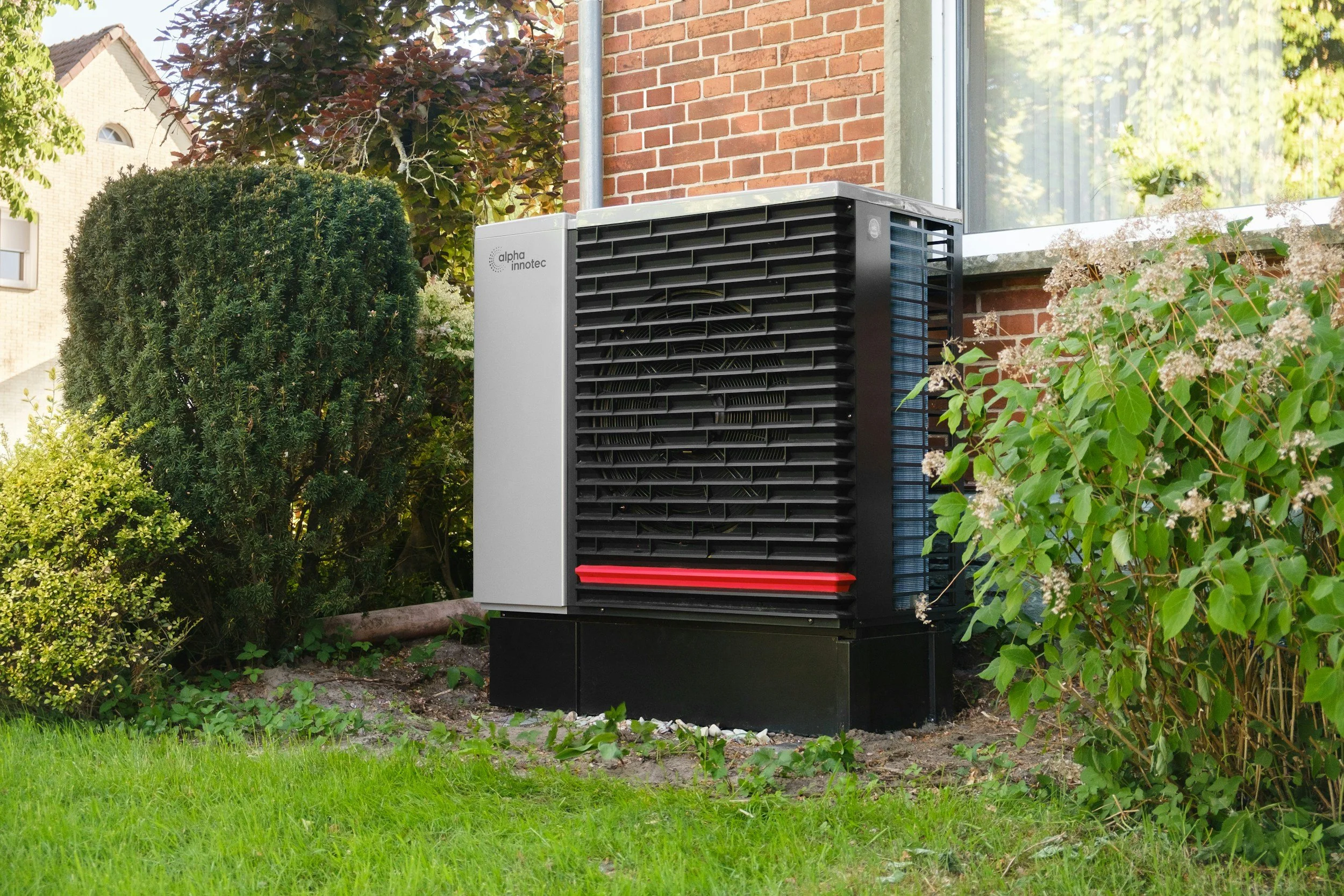
If your furnace gives out this winter, the federal government would now like to help pay for the replacement, on the condition that the replacement is a heat pump. That is the short version of what Prime Minister Carney announced in Sherbrooke on October 8: a $2 billion national heat pump rebate, worth up to $10,000 for households earning below their province's median after-tax income and $2,000 for everyone else (CTV News and BNN Bloomberg, October 8, 2026). Three clients have asked me about it in the past two weeks, two of them with furnaces old enough to vote, so here is what I have been able to pin down and where I think the judgment calls sit.
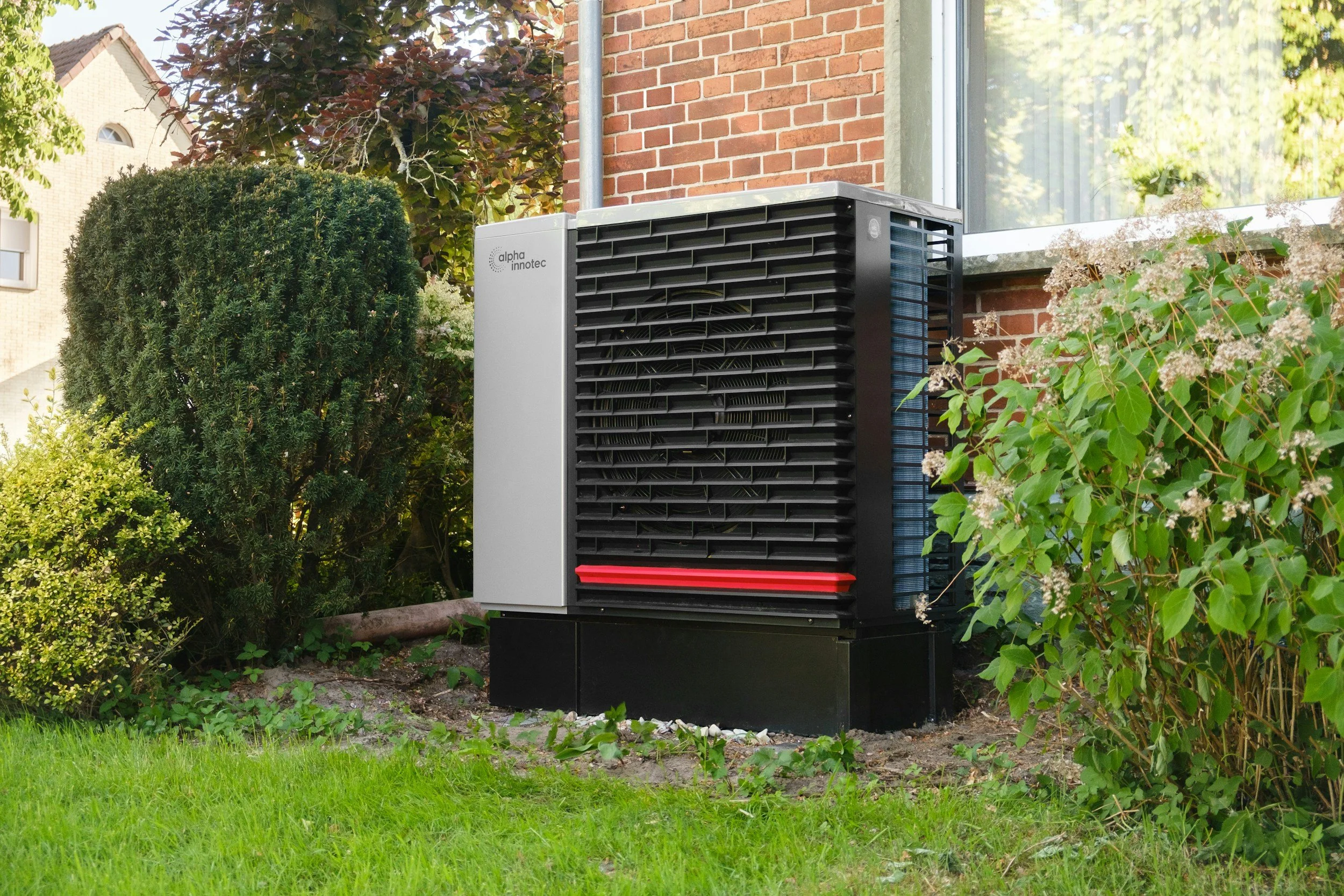
Modern Residential Heat Pump Installation
The program is built around the moment a heating system fails or is close to failing, though officials have said a breakdown is not a strict requirement. There is no energy audit, before or after. You apply online before you buy, get an answer on eligibility and the dollar amount within a day, have the unit installed, upload the receipts and get paid by direct deposit within about five days. Ottawa expects it to reach up to 820,000 households over eight years. The portal is supposed to open in early 2027, and the government has said it is looking at ways to make installs done before then eligible as well. The date being reported for that is November 1 of this year, with the full rules and the list of eligible units due at the same time, but I would treat that as unconfirmed until it is on a government page (Government of Canada backgrounder, October 8, 2026; UrbanToronto, October 20, 2026).
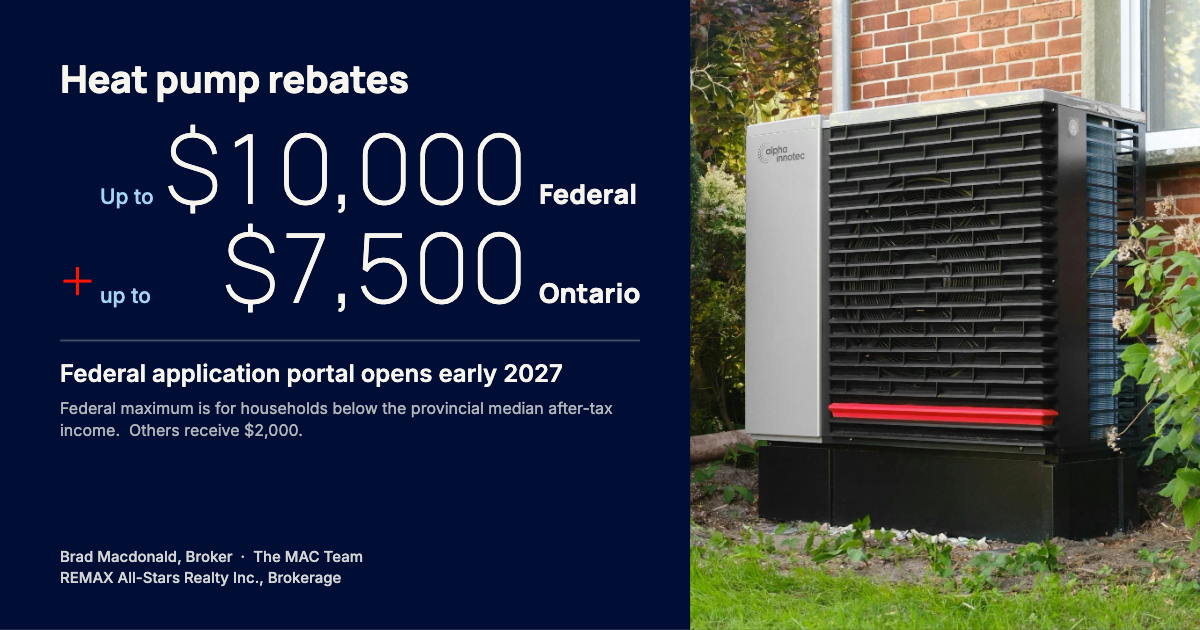
The rebate stacks with provincial money. Ontario's Home Renovation Savings Program currently pays up to $7,500 toward a cold-climate air-source heat pump, depending on the size installed, and up to $12,000 for a ground-source system, with no energy assessment required for a single upgrade (saveonenergy.ca). So a household below the median line could see $17,500 in rebates against the installed cost, and a household above it could see $9,500. Those are real numbers on a job that usually runs well into five figures once ductwork and electrical are counted.
Now the part the announcement skips, which matters more in Markham than in Sherbrooke. The government's own savings estimate, about $1,400 a year, is for homes heating with oil or electric baseboards. Almost every house I list between Unionville and Stouffville heats with Enbridge gas, and in Ontario the gap between what you pay for a kilowatt hour and what you pay for a cubic metre of gas is narrow enough that a heat pump replacing a gas furnace saves far less, and in a cold stretch can cost more to run. Most of the installs I hear about locally keep the gas furnace as a backup for the coldest weeks and let the heat pump carry the shoulder seasons, which also gives you air conditioning in July from the same equipment. Have your installer model your actual bills before you commit to pulling the gas line, and find out who is pulling the permit, because the City of Markham's own guidance says a change in your furnace's fuel source needs one.
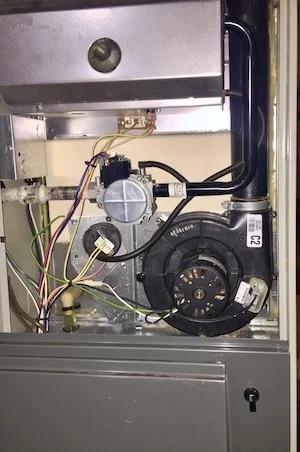
Typical Natural Gas Furnace, Residential
What does any of this do to the value of your house? Less than people hope and more than nothing. I have never seen a buyer pay a premium for a furnace, but over the years I have watched a twenty-year-old one cost a seller real money on offer night, because the inspector writes "at end of service life" on page two and the buyer's agent prices it at a full replacement. A new heat pump system with the paperwork in a folder removes that conversation. It also answers a question I now get from younger buyers in Cornell and Wismer about what the house costs to run each month, which nobody asked me five years ago.
So, three situations. If your furnace is limping and you are not selling, nurse it through the next few weeks if you safely can, get two quotes now so you are ready, and plan the install for after the rules are published, when you will know whether the retroactive date is real. If you are selling this winter and the furnace is old, do not replace it to sell; price the house with the furnace as it is, disclose the age, and let the buyer collect the rebates in their own name next year, which is a better pitch than it sounds once you explain it. And if you are buying a house with a tired furnace, those rebates belong to you, so do not let the seller's agent talk you out of adjusting for it.
I will update this post when the rules land on November 1, or whenever they actually land.