
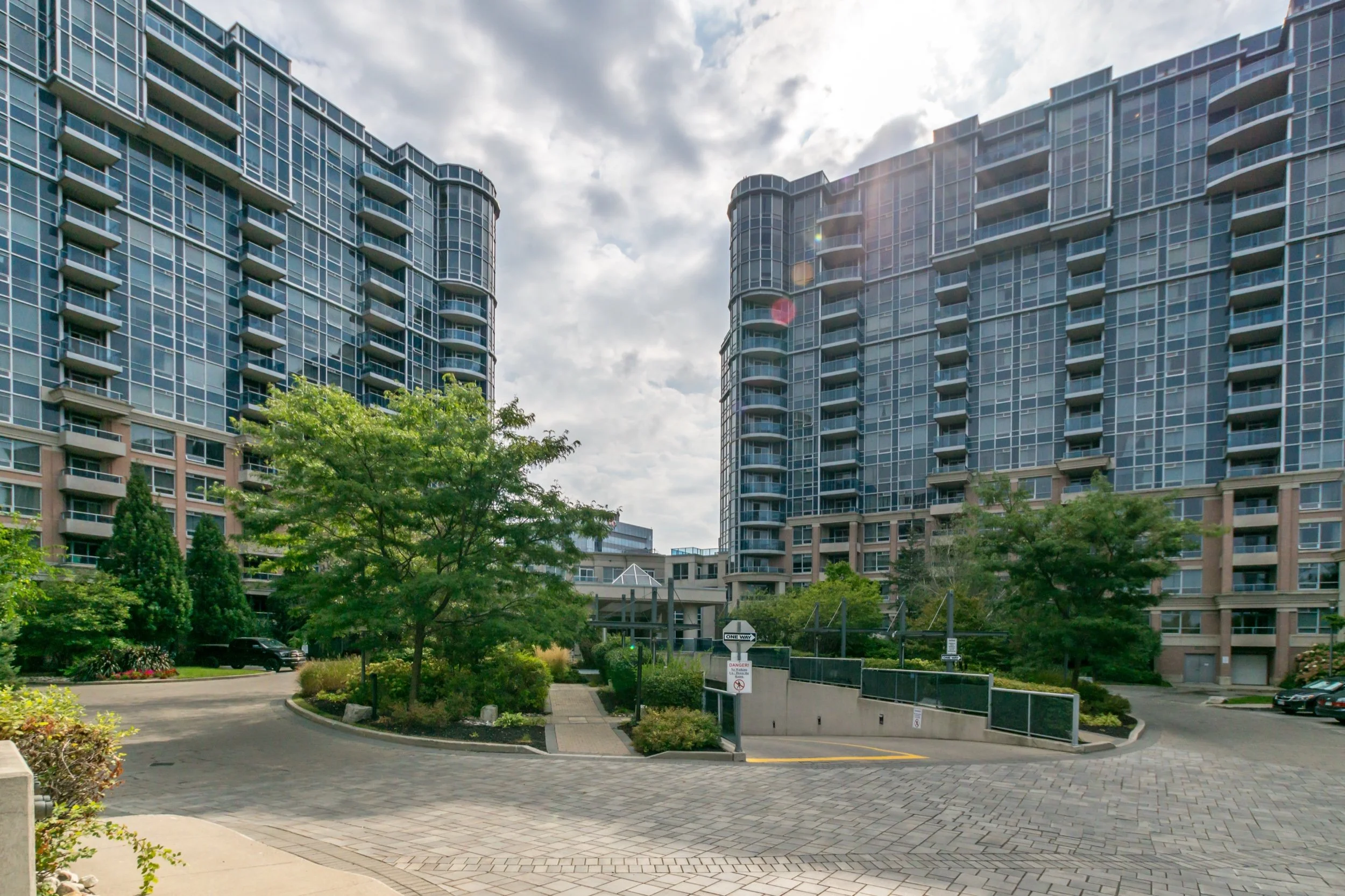

Unionville Rental Condo - Tridel
If you own a rental condo, a basement apartment or an investment townhouse anywhere in Markham, the rules that govern your relationship with your tenant change on Sunday, September 21. The changes come from the second wave of Bill 60, the Fighting Delays, Building Faster Act, 2025, and they touch three things that come up constantly in my work: how quickly a landlord can act on unpaid rent, what happens at a hearing, and what it costs to reclaim a unit for your own family. Here is what changes, and what I would do about it whether you are a landlord, a tenant, or someone buying or selling a home with a tenant in place.
The N4 window drops from 14 days to 7
The headline change is the notice for non-payment of rent. Since the Residential Tenancies Act came into force, a landlord serving an N4 on a monthly tenant has had to give 14 days for the rent to be paid before an application could be filed with the Landlord and Tenant Board. For any N4 served on or after September 21, that termination period becomes 7 days (Tribunals Ontario operational update, June 30, 2026; Bill 60, Royal Assent November 27, 2025). Two details matter. The 7-day period applies only to notices served on or after the 21st, and an N4 served before that date with a 7-day termination date is void, so if you are dealing with arrears right now, use the current form and the current 14 days. And the notice is still only the first step; it opens the door to an L1 application, it does not end a tenancy on its own.
Persistent late payment gets a definition
Until now, "persistently late" was left to adjudicators to weigh case by case. From September 21, the regulation defines it, and the working test is failing to pay rent within seven days of the due date on at least three occasions within a six-month period, subject to the conditions set out in the regulation (Ontario RTA amendments under Bill 60, effective September 21, 2026). For a landlord in Markham whose tenant is chronically a week or two behind but always eventually pays, that is a meaningful change, because the pattern itself now has a legal name. For tenants, it is a plain warning that paying on the 9th or 10th every month is no longer a harmless habit.
What changes at a hearing
Two procedural changes will matter more than they sound. First, at a non-payment hearing, a tenant who wants to raise their own issues in response, such as maintenance complaints under section 82 of the Act, must first pay half of the arrears claimed, at least seven days before the hearing. A tenant can still bring maintenance problems forward in a separate application, but the days of a repair dispute stalling an arrears hearing indefinitely are, in principle, over. Second, and this is the change I want every downsizer and every parent with an adult child moving home to understand: when a landlord serves an N12 to reclaim a unit for their own use or a family member's use under section 48, the one month of compensation that has been mandatory is waived if the landlord gives at least 120 days' notice instead of the usual 60. Give the tenant four months rather than two and the one-month payment falls away.
There is a wrinkle that matters if you are selling. The waiver applies only to a landlord's own-use N12. When a buyer purchases a tenanted property and needs the unit for themselves, that notice is served under section 49, and the one-month compensation still applies (Bill 60 implementation guidance, OntarioLandlord and PowerHouse Property Management summaries, 2026). A seller who tells a buyer the tenant can be moved out for free is giving them the wrong information, and I would rather you hear that from me than at closing.
What I would do
If you are a landlord, update your forms and your calendar. Use the new N4 only from September 21, keep a written record of every late payment from now on because the six-month clock on persistent lateness is now something you can prove, and if you have been thinking of taking a unit back for family, the 120-day route is worth the extra two months of patience. If you are a tenant, pay on the day rent is due and keep your own records, because the margin for error has narrowed. If you are buying or selling a tenanted condo in Markham, build the tenancy into the offer properly: the correct notice, the correct compensation, and a closing date that respects both. I am not a lawyer and none of this replaces advice from one; for anything contested, a paralegal or lawyer who works at the Board every week is money well spent.
The rules governing Ontario rentals tighten on September 21, and the changes mostly favour landlords who keep good records and act correctly. Update your forms, document your payments, and understand which N12 you are actually serving before you promise anyone a vacant unit.
• Bill 60, Fighting Delays, Building Faster Act, 2025 (Royal Assent November 27, 2025): https://www.ola.org/en/legislative-business/bills/parliament-44/session-1/bill-60
• Tribunals Ontario operational update confirming the September 21, 2026 effective date (June 30, 2026): https://tribunalsontario.ca/ltb/