

Markham Heritage Estates
Your guide to Canada's first heritage subdivision
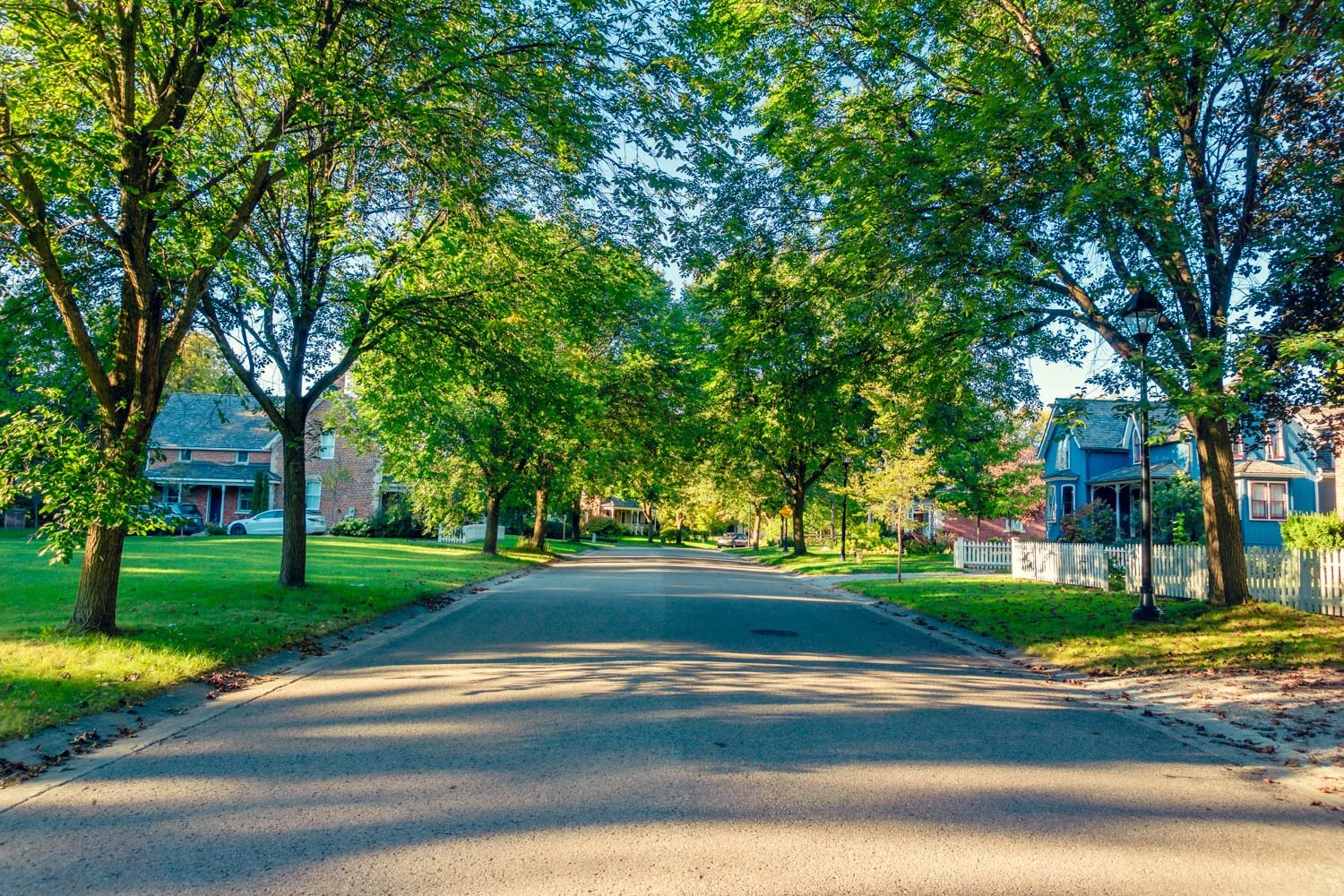
Welcome to The Heritage Estates - Looking up Heritage Corners Road
Markham Heritage Estates is a small residential enclave north of 16th Avenue where every house is a heritage building that was moved there to save it from demolition. Created by the Town of Markham in 1988, and described by the City as Canada's first heritage subdivision, it brings together restored homes dating from the early 1800s to 1910 on 42 generous lots. This page covers the community's origins, some of its best-known houses, the types of homes you will find there, and what owning a designated heritage home in the Estates involves.
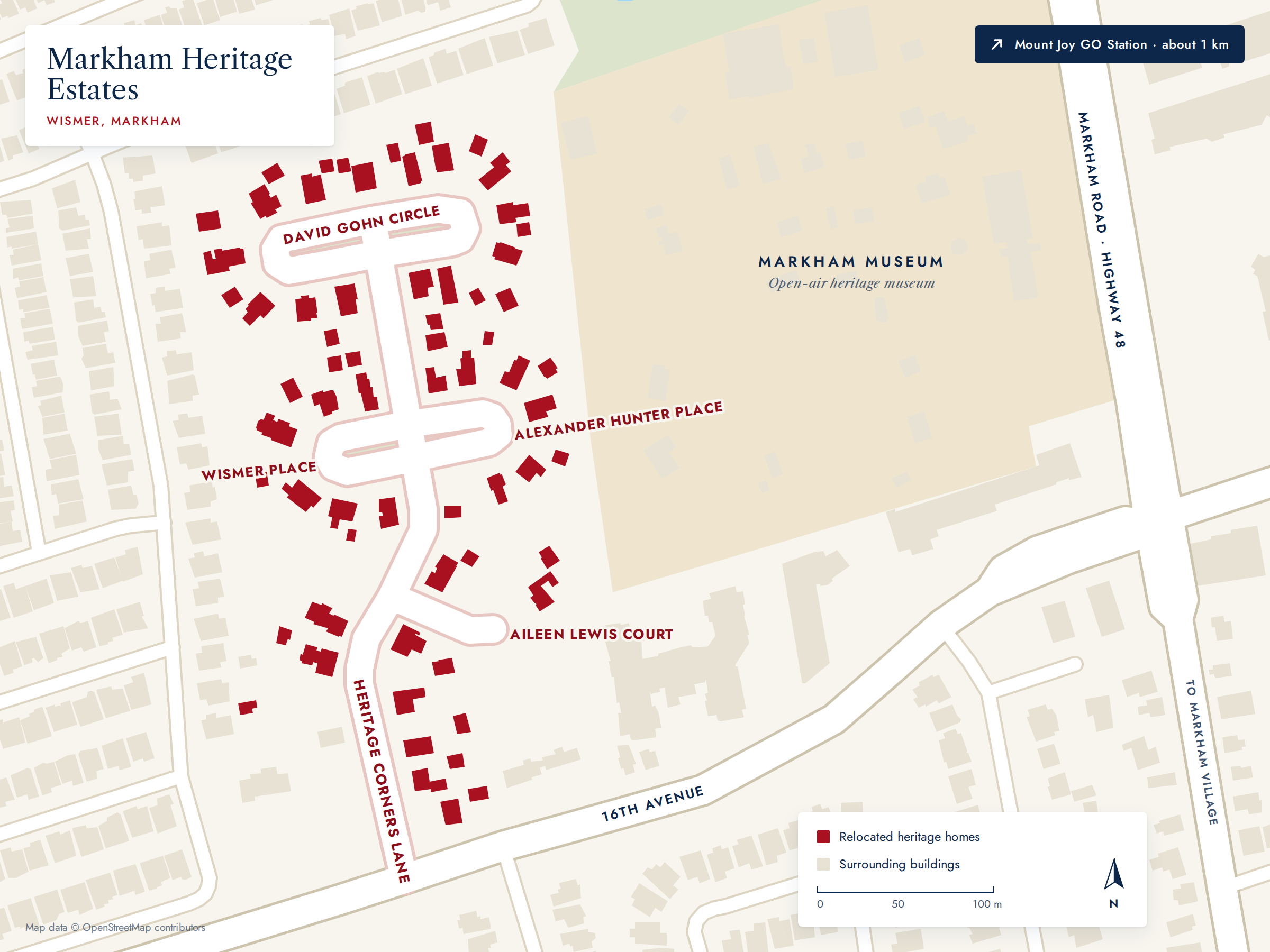
Markham Heritage Estates at a glance: Wismer community, north of 16th Avenue and west of Markham Road (Highway 48) · established by the Town of Markham in 1988 · 42 lots of about a quarter acre on roughly 7 hectares · houses dating from the early 1800s to 1910 · David Gohn Circle, Heritage Corners Lane, Aileen Lewis Court, Wismer Place and Alexander Hunter Place
Welcome to Markham Heritage Estates
Markham Heritage Estates sits on the north side of 16th Avenue, just west of Markham Road, a short drive north of the historic Main Street in Markham Village. Its five streets, David Gohn Circle, Heritage Corners Lane, Aileen Lewis Court, Wismer Place and Alexander Hunter Place, are paved and fully serviced like any modern subdivision, yet the houses along them range from Loyalist-era frame farmhouses to Victorian brick homes, each one brought here from its original site elsewhere in Markham.
The result is a streetscape unlike anywhere else in the GTA. The City placed the houses to create a deliberate mix of periods and materials, so a board-and-batten farmhouse may sit beside a triple-brick Gothic Revival home, and even the fire hydrants and light standards were chosen to suit the buildings. Front yards follow landscape plans based on each house's period, garages are detached and set to the rear, and many homes carry plaques recording who built them and when. Doors Open Markham has run walking tours of the neighbourhood, and on any weekend you will see people strolling the streets to admire the houses.
For anyone searching listings, "Heritage Estates" is not a community name on the Toronto Regional Real Estate Board. Homes here are listed under the Wismer community, which is why a map search for the name alone turns up so little.
Origins of the Neighbourhood
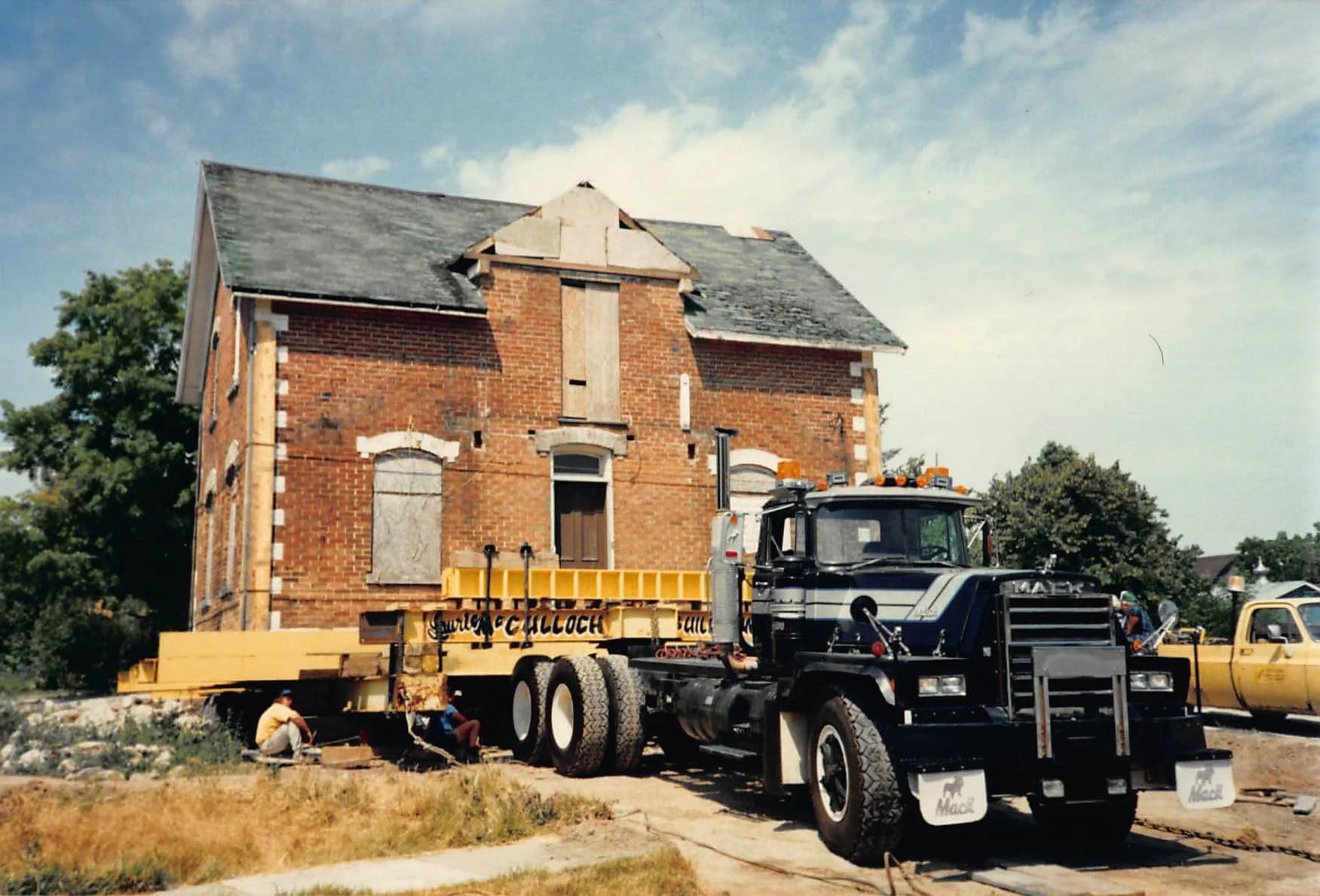
Heritage Estates grew out of a decade of losses. In 1979 the John Reesor House, an 1853 Italianate farmhouse with a distinctive Palladian window on Main Street Markham South, was demolished by the Ministry of Transportation to make way for a future highway. There was local interest in moving it, but the cost was too high, and between 1981 and 1988 more than forty buildings listed on the Markham Inventory of Historic Buildings came down in the path of road widenings, new highways and new subdivisions. Owners willing to rescue a house faced the same obstacle each time, which was the cost of buying a lot in Markham on top of the cost of moving and restoring the building.
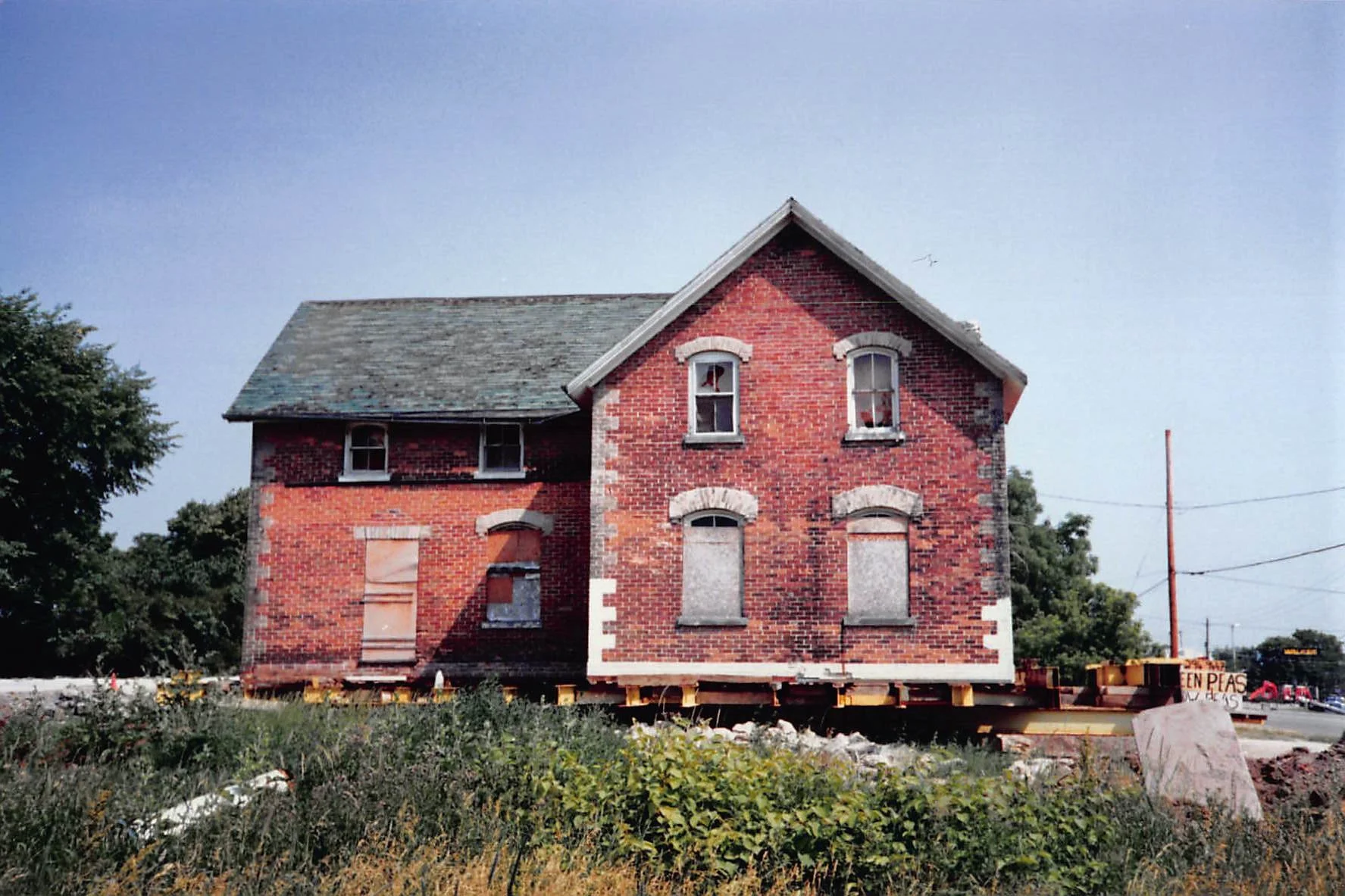
In 1988 the Town answered with what it called a heritage conservation measure of last resort. It acquired a parcel of about 7 hectares near Highway 48 and 16th Avenue, laid it out as a subdivision of 42 lots, and offered the lots below market value to owners of significant heritage houses that could not stay where they stood. The saving on the land was the incentive to take on the move and the restoration. To qualify, a house had to be located in Markham, be of recognized heritage merit, and face a verifiable threat on its original site, and every option for keeping it in place had to be exhausted first. In later years the construction of Highway 407 was among the threats that brought houses here.
The original purchasers took on real obligations. Each agreed to restore the exterior accurately and complete the first phase of the landscaping within a year, to live in the house for at least five years, and to seek the Town's approval for any future alterations. A forgivable mortgage registered on title discouraged anyone from buying a discounted lot simply to resell it. Over the years the Estates has also served as a working laboratory for restoration in Markham, showing how chimneys, verandas, historic windows, fieldstone foundations and sympathetic additions can be done well.
Notable Heritage Homes
Every house in the Estates has a history, and several have stories that reach well beyond architecture. The four below are homes we know closely, and each is identified by its historical name. All are private residences, so please enjoy them from the street.
| House | Built | Style | Original site |
|---|---|---|---|
| The Joshua Miller House | c.1825 | Late Georgian saltbox, frame | 9th Line, east of Markham Village |
| The Udell-Hamilton House | c.1850, enlarged later in the century | Picturesque, frame | 19th Avenue |
| The John Robinson House | c.1850 | Regency cottage, red brick | Kennedy Road, near Colty Corners |
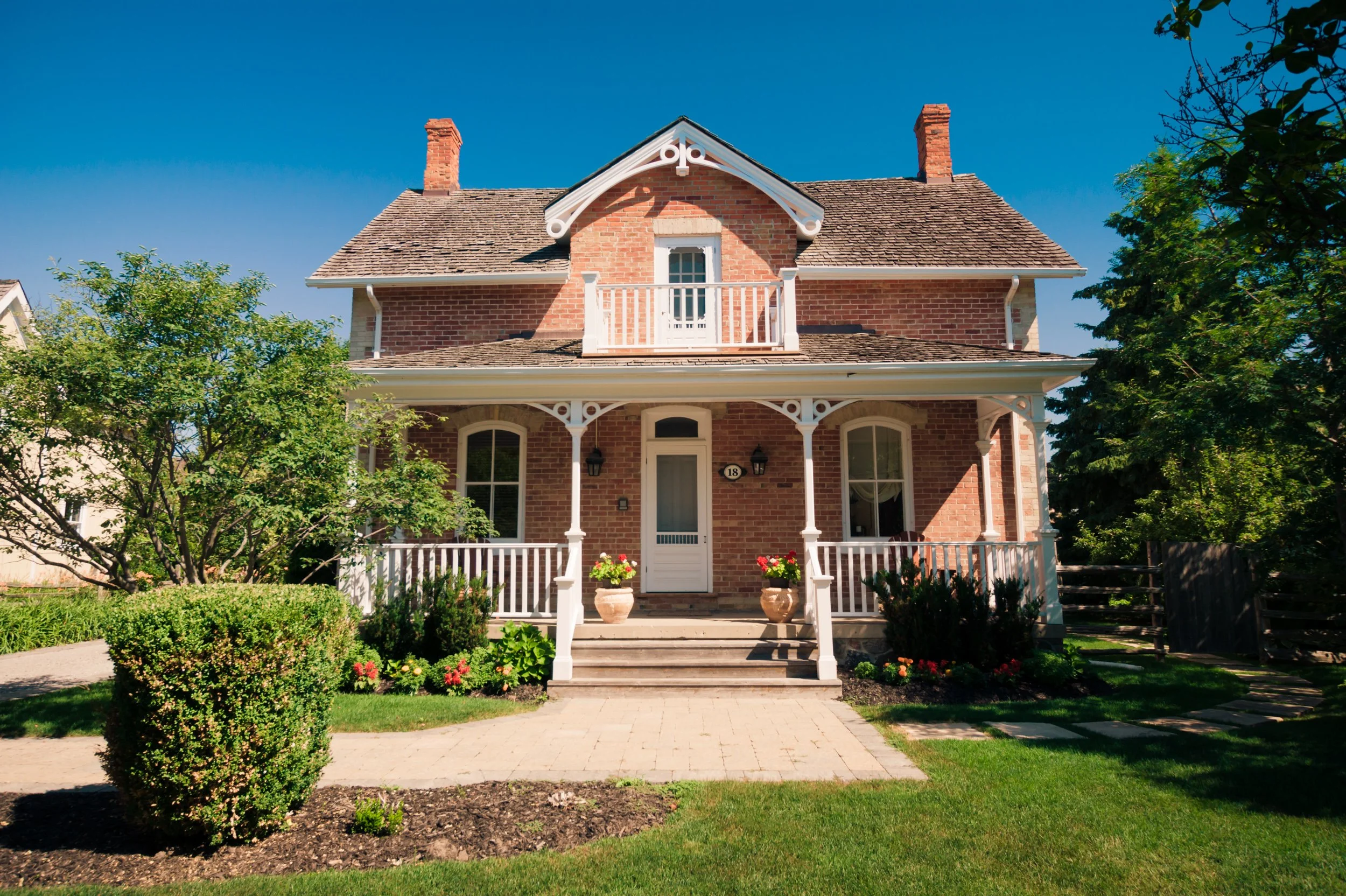
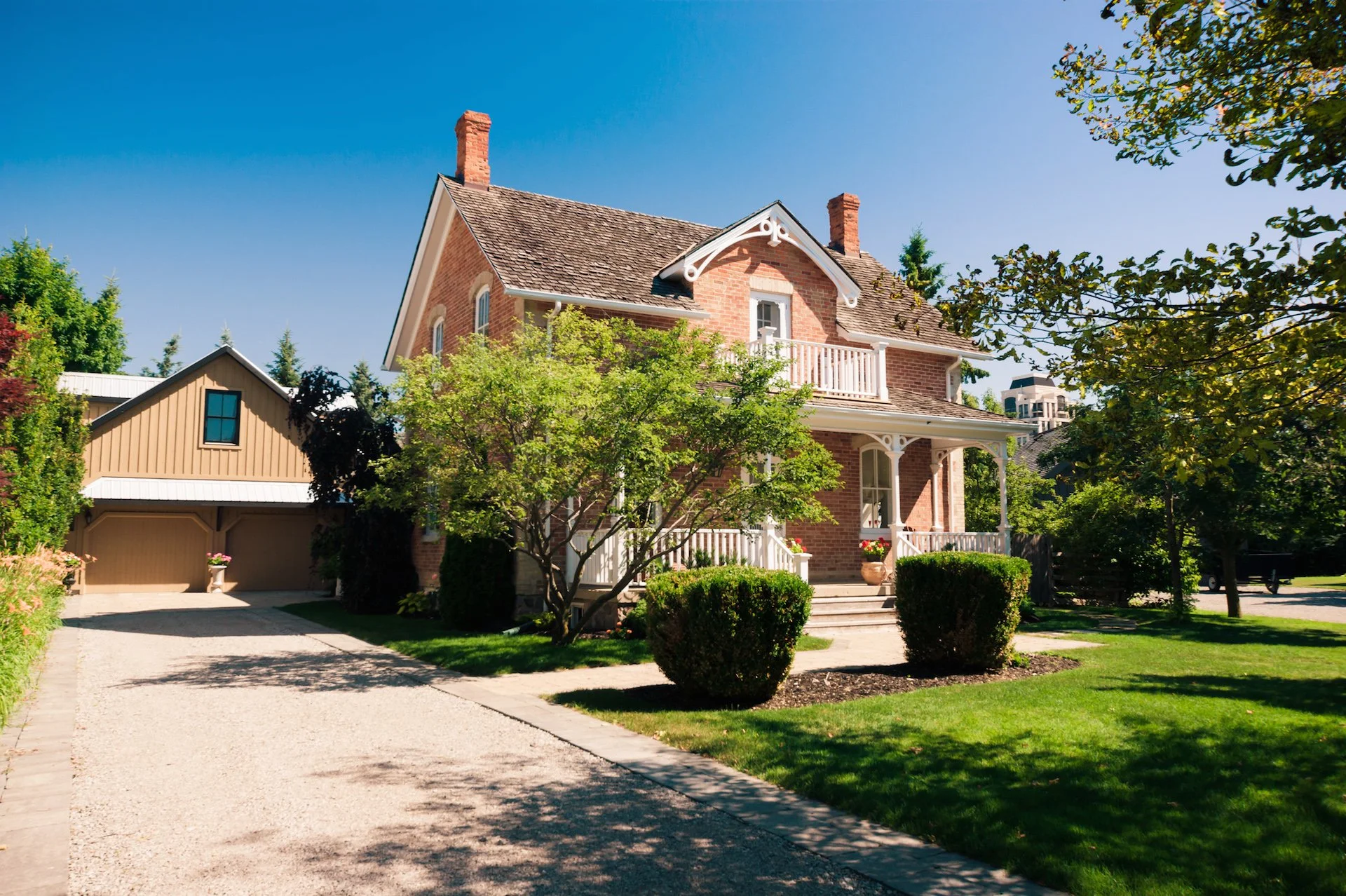
| The Raymer House | 1871 | Gothic Revival, triple brick | Highway 48, north of 16th Avenue |
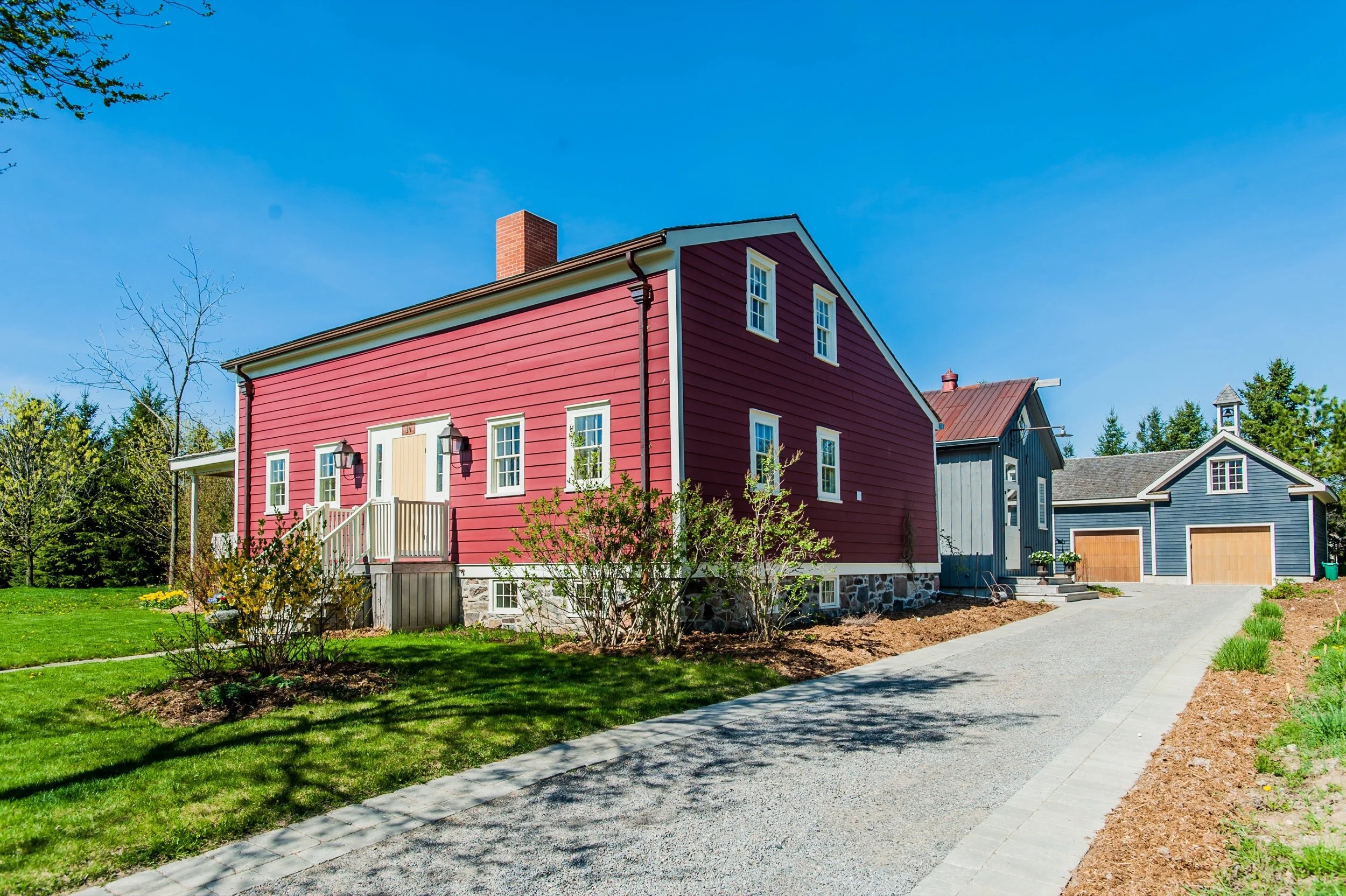
The Joshua Miller House, c.1825. Joshua Miller was a United Empire Loyalist who left New England after the American Revolution and settled in Markham in 1801. His family cleared and farmed the east half of Lot 22, Concession 8, helped found the 9th Line Baptist Church, and built this house, which is one of the oldest remaining buildings in Markham. Its saltbox form, with a long rear roof slope and a heavy centre chimney, is far more typical of New England and the Maritimes than of Markham, and the survival of an early frame farmhouse of this kind is rare. The property was later owned by Senator David Reesor. The house moved to the Estates in 2006, where a new addition was designed in the form of a barn so that the original house still reads as a separate building from the street. During the restoration, Joshua Miller's own signature was discovered inside the house.
The Udell-Hamilton House, c.1850. This house was built on 19th Avenue for Mary Udell and her four children. Her husband, Matthew Udell, had been imprisoned for his part in the notorious Markham Gang, and by the census of 1851 Mary was recorded as a widow raising her family on the property. The land passed in 1871 to Abraham Hamilton, grandson of the original Crown patent holder, and the house was enlarged from a one-and-a-half-storey Ontario farmhouse into the two-storey Picturesque home seen today, with twin projecting bays, an open porch between the upper windows, turned posts and ornate bargeboard.
The John Robinson House, c.1850. John Robinson was a Markham Township farmer and a supporter of William Lyon Mackenzie. In February 1838 he was arrested for his part in the Rebellion of 1837 and sentenced to three years in Kingston Penitentiary followed by banishment, a sentence that, as with many rebels, was likely never carried out in full. His one-storey red brick Regency cottage stood on Kennedy Road near the hamlet of Colty Corners and was covered in stucco and heavily modernized in the 1950s. After its move to the Estates in the early 2000s the stucco was removed, the original window openings were restored and the roofline was rebuilt to its original form, and it is now regarded as one of the best examples of a Regency cottage in Markham.
The Raymer House, 1871. Christian Raymer, a member of one of Markham's most prominent Pennsylvania German families, built this Gothic Revival house of triple-brick construction on the west side of Highway 48, north of 16th Avenue. That original site lay only a short distance from the Estates, so its move was one of the shortest any house here has made. Its full-width veranda supports a second-storey balcony, and the steep centre gable at the front is its most recognizable feature.
Among the other houses in the Estates are the Galloway House, built around 1858, the James Thomas House of about 1856 and the David Gohn Cottage of about 1855, alongside Georgian, Regency, Gothic Revival and Second Empire homes from across the former township.
Heritage Estates Housing Types
Every home in the Estates is a detached heritage house on a lot of about a quarter acre, which is a rare lot size anywhere in Markham today. The buildings span roughly a century, from the early 1800s to 1910, and range from compact one-storey cottages to substantial two-storey brick farmhouses, in frame, brick and board-and-batten construction. The styles reflect Markham's rural building history, taking in Georgian and late Georgian farmhouses, Regency cottages, Gothic Revival and Italianate homes, and later Victorian designs.
Because many of these houses are small by modern standards, the lots were laid out to allow additions and detached garages, and most homes have been extended to the rear with additions designed to keep the original house as the dominant feature from the street. Finished sizes therefore vary widely, from modest cottages to homes approaching 3,000 square feet. Each house was set on a new full basement when it was moved, and many were fitted at the same time with modern foundations, insulation, wiring, plumbing and mechanical systems, so buyers often find a nineteenth-century exterior over surprisingly up-to-date bones. Interiors range from carefully preserved original pine floors, trim and beadboard to fully renovated kitchens and family rooms in the additions, and many of the detached garages include a loft that serves as a studio, office or workshop.
Homes in the Estates change hands only occasionally, and each one is different in age, size, condition and the extent of its restoration. Those differences have a significant bearing on value, and they are the first thing we establish when we assess a heritage home here.
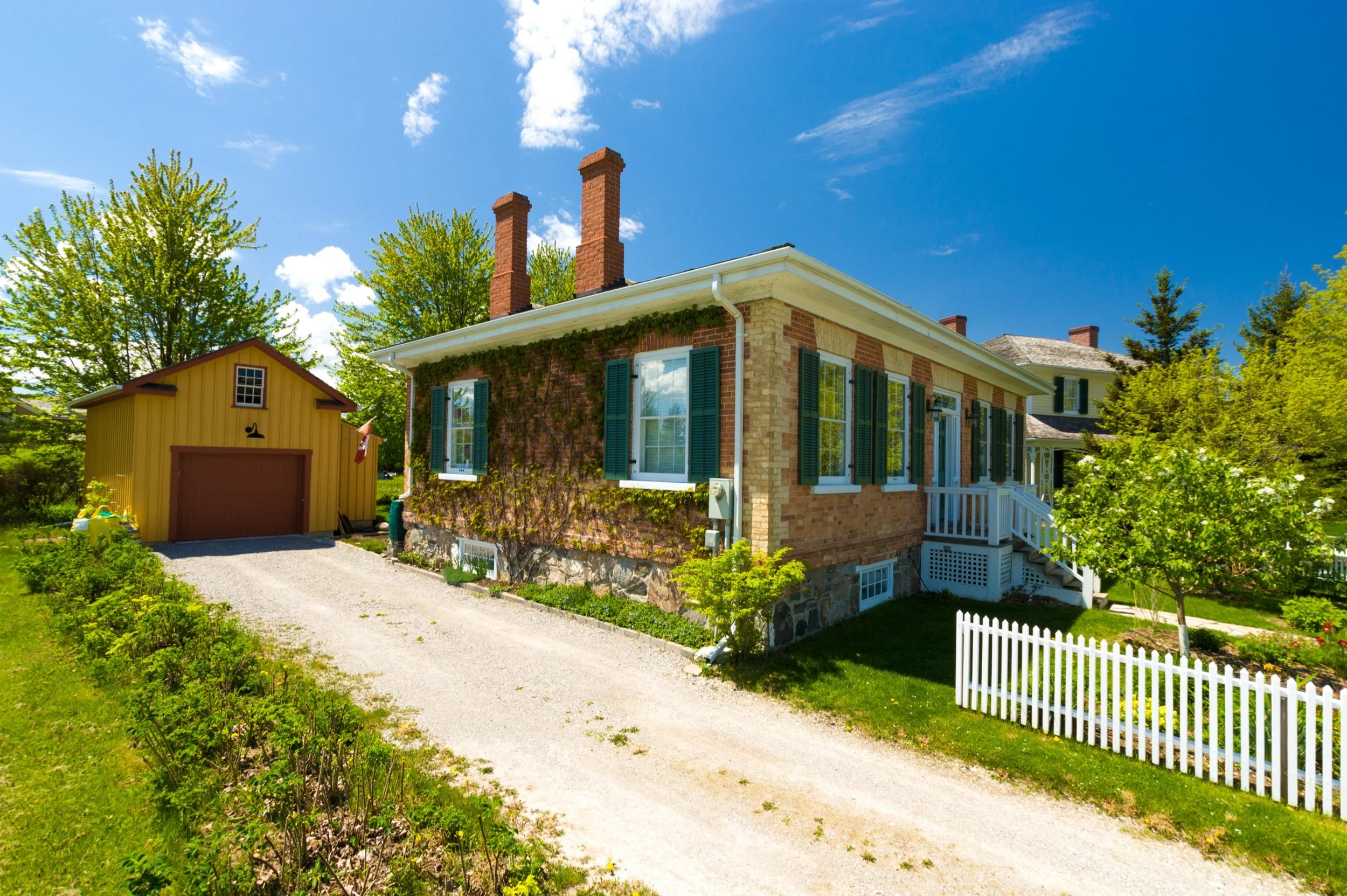
Wismer home with detached garage
Owning a Heritage Home
Buying in Markham Heritage Estates is different from buying an ordinary resale home, and the differences are worth understanding before you make an offer. Every house is individually designated under Part IV of the Ontario Heritage Act, and each is also subject to a heritage easement agreement with the City. Both are registered on title and stay with the property through every sale, so the protections that applied to the first owner apply to you.
In practical terms, any change to the exterior, any addition or new outbuilding, and in some cases changes to significant interior features, must be approved by the City before the work begins. The subdivision has its own zoning by-law, and the City's guidelines for additions require that the original house remain the dominant visual feature, that its roofline not be compromised, that no addition stand taller than the original building, and that new materials be sympathetic to the original while remaining distinguishable from it. Garages are detached and placed to the rear of the lot. None of this prevents owners from modernizing their homes, as many have done beautifully, but it does mean that renovation plans should be reviewed with the City's Heritage Section early.
The five-year residency requirement, the one-year restoration deadline and the forgivable mortgage were conditions placed on the original lot purchasers. On a resale these dates have usually long passed, but your lawyer should still confirm that the forgivable mortgage has been discharged and that the original site plan agreement has been satisfied. It is also sensible to arrange insurance early in the process and to choose a home inspector experienced with older houses.
Ownership brings some financial benefits as well. Through Markham's Heritage Property Tax Reduction Program, owners of designated properties under a heritage easement can apply each year for a reduction of 30 percent on the municipal and education portions of their property taxes. The City's Heritage Grant Program also offers matching grants of up to $7,500 for the exterior restoration of historic residential properties, such as the repair of original windows, doors, verandas and masonry.
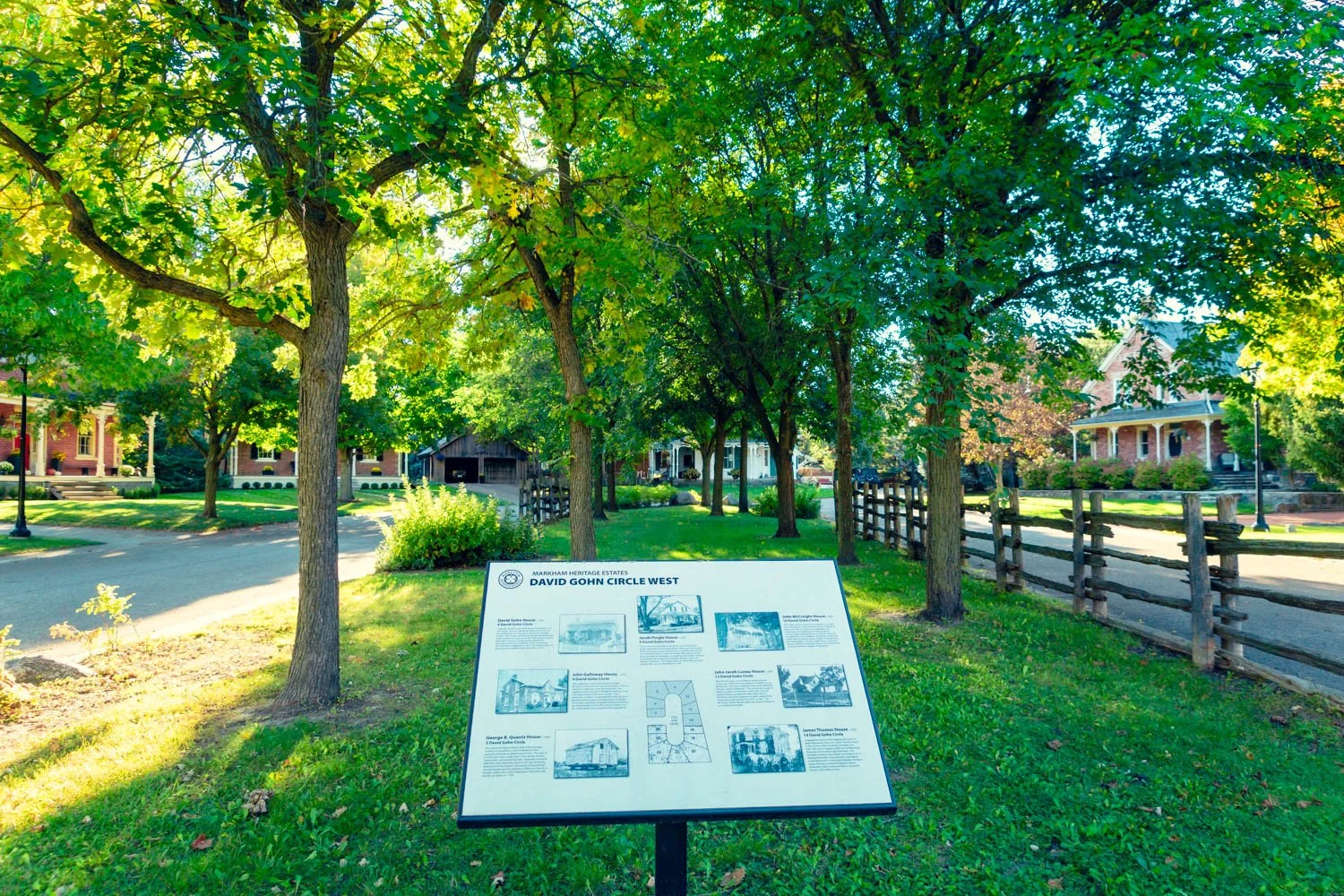
David Gohn Circle West Parkette
The MAC Team
Heritage Home Expertise
Few neighbourhoods reward local knowledge as much as Markham Heritage Estates. Over the years The MAC Team has listed, sold and helped buyers purchase homes throughout the Estates, on David Gohn Circle, Heritage Corners Lane, Wismer Place, Alexander Hunter Place and Aileen Lewis Court, and we have done the same in Markham's other heritage neighbourhoods, from Peter Street and the Markham Village Heritage Conservation District to Main Street Unionville. That experience covers every stage of a heritage transaction, from the designation by-law and heritage easement on title to the approvals an owner needs before replacing a window or adding a garage.
Valuing a heritage home is a different exercise from pricing an ordinary resale. Sales in the Estates are infrequent and no two houses are alike, so the age of the building, the quality of its restoration, the size and placement of its addition and the condition of its original features all bear on what a buyer will pay. We have been inside a good number of these houses, we know which have been restored with care and which still have work ahead of them, and we price each one against that knowledge rather than a neighbourhood average.
Marketing matters just as much. Every heritage home we list is presented with its own history, drawn from designation records, historical research and the owners' own files, together with its own website, professional photography and printed material that does justice to the house. The buyers who value these homes are a small and discerning group, and our relationships with many of them are often how the right buyer is found.
Amenities, Schools and Transit
The Markham Museum, a 25-acre open-air museum of historic buildings, is a short distance away at Markham Road and 16th Avenue, and Mount Joy Community Centre, with its arena and sports fields, is close by. The restaurants and shops of Main Street in Markham Village are a short drive south, and neighbourhood parks, shopping plazas and everyday services line 16th Avenue and Markham Road. For commuters, Mount Joy GO Station on the Stouffville line is about a kilometre away, York Region Transit routes run along 16th Avenue and Markham Road, and Highway 407 is a few minutes to the south.
The Estates is served by York Region District School Board and York Catholic District School Board schools in the Wismer and Mount Joy communities, and Bur Oak Secondary School is nearby on Bur Oak Avenue. School boundaries are set by the boards and can change from year to year, so families should confirm the designated schools for a specific address with the York Region District School Board or the York Catholic District School Board.
Frequently Asked Questions
Why were the houses in Markham Heritage Estates moved there?
Each house was under threat on its original site from road widenings, new highways or development, and could not be kept where it stood. The Town of Markham created the Estates in 1988 as a last resort, selling lots below market value so that owners could afford to move and restore these buildings rather than lose them.
Are the homes in Heritage Estates designated heritage properties?
Yes. Every house is individually designated under Part IV of the Ontario Heritage Act and is subject to a heritage easement agreement with the City of Markham. Both are registered on title and remain in place when a home is sold.
Can I renovate or add on to a home in Heritage Estates?
Yes, with the City's approval. Exterior changes, additions and new outbuildings must be approved in advance, and some interior features may also be protected. Additions must keep the original house as the dominant feature and cannot stand taller than it, and garages are detached and set to the rear.
Does the five-year residency requirement apply if I buy a resale home?
The five-year residency requirement and the forgivable mortgage were conditions on the original lot purchasers, and on most resales those periods have long since ended. Your lawyer should confirm on closing that the forgivable mortgage has been discharged and that the site plan agreement has been satisfied.
Are there tax benefits to owning a heritage home in Markham?
Owners of designated heritage properties under a heritage easement can apply each year to Markham's Heritage Property Tax Reduction Program for a 30 percent reduction on the municipal and education portions of their property taxes. Matching grants of up to $7,500 are also available for exterior restoration work on historic homes.
Can I buy a vacant lot in Heritage Estates?
The City sells its remaining lots only to owners of eligible heritage buildings that are threatened on their original sites, through an approval process run by the Heritage Section. Most buyers enter the community by purchasing one of the existing homes when it comes to market.
Can I visit Markham Heritage Estates?
The streets are public and the houses can be enjoyed from the sidewalk, and Doors Open Markham has offered guided walking tours of the neighbourhood. The homes themselves are private residences.
Considering a Move to Markham Heritage Estates?
Whether you own a home in the Estates and would like to know what it is worth in today's market, or you have long admired these houses and would like to own one, we would be pleased to help. Contact The MAC Team or request a free home value consultation to get started.
© 2026 The MAC Team · Brad Macdonald, Broker, REMAX All-Stars Realty Inc., Brokerage. House histories are drawn from City of Markham heritage records and our own listing files, and are provided for general interest.