

If you are planning to sell a detached home or a freehold townhouse in Markham this fall, the thing that has changed most is not the interest rate, it is who you are competing against. Ontario's expanded HST rebate applies only to newly built homes, and over the summer it has pulled a meaningful share of buyers toward builder inventory, with single-family new home sales across the GTA finishing July up 246% over the same month a year ago. What follows is what that shift does to your pricing and your marketing, and where an established Markham home still holds a real advantage.
The July numbers, and why they are unusual
Builders sold 1,018 new homes across the GTA in July, and 781 of those were single-family: detached, semi-detached, linked and townhomes. That puts the single-family category roughly 50% above its ten-year July average, which is a genuinely unusual reading in a market most people still describe as slow. At the same time, the benchmark price on those new single-family homes was $1,362,433, down 8.5% from a year ago, while new condominium apartments sold 80% below their ten-year average (source: BILD and Altus Group new home sales release for July 2026, published August 27).
I read those two facts as one story rather than two. Builders have been discounting, the rebate stacks on top of the discount, and buyers who spent the last two years waiting have decided that the combination is finally worth acting on. Dave Wilkes at BILD described it as the fourth consecutive month of positive momentum in the single-family category, and the pattern in the numbers supports him.
The part that catches resale sellers off guard
The rebate does not apply to a resale home. When a buyer sits down and compares your house in Markham Village, Unionville or Cornell against a new release a few minutes up the road, they are weighing your asking price against a builder's price less a rebate that can reach well into five or six figures, and that arithmetic can look unflattering if you have anchored your expectations to what a neighbour achieved in a different market. I would far rather you hear this from me in early September than work it out for yourself in late October, after a month of polite showings and no offers.
This is not a reason to be discouraged, and it is certainly not a reason to give the house away. It is a reason to price and present against what is actually on the market right now instead of against memory.
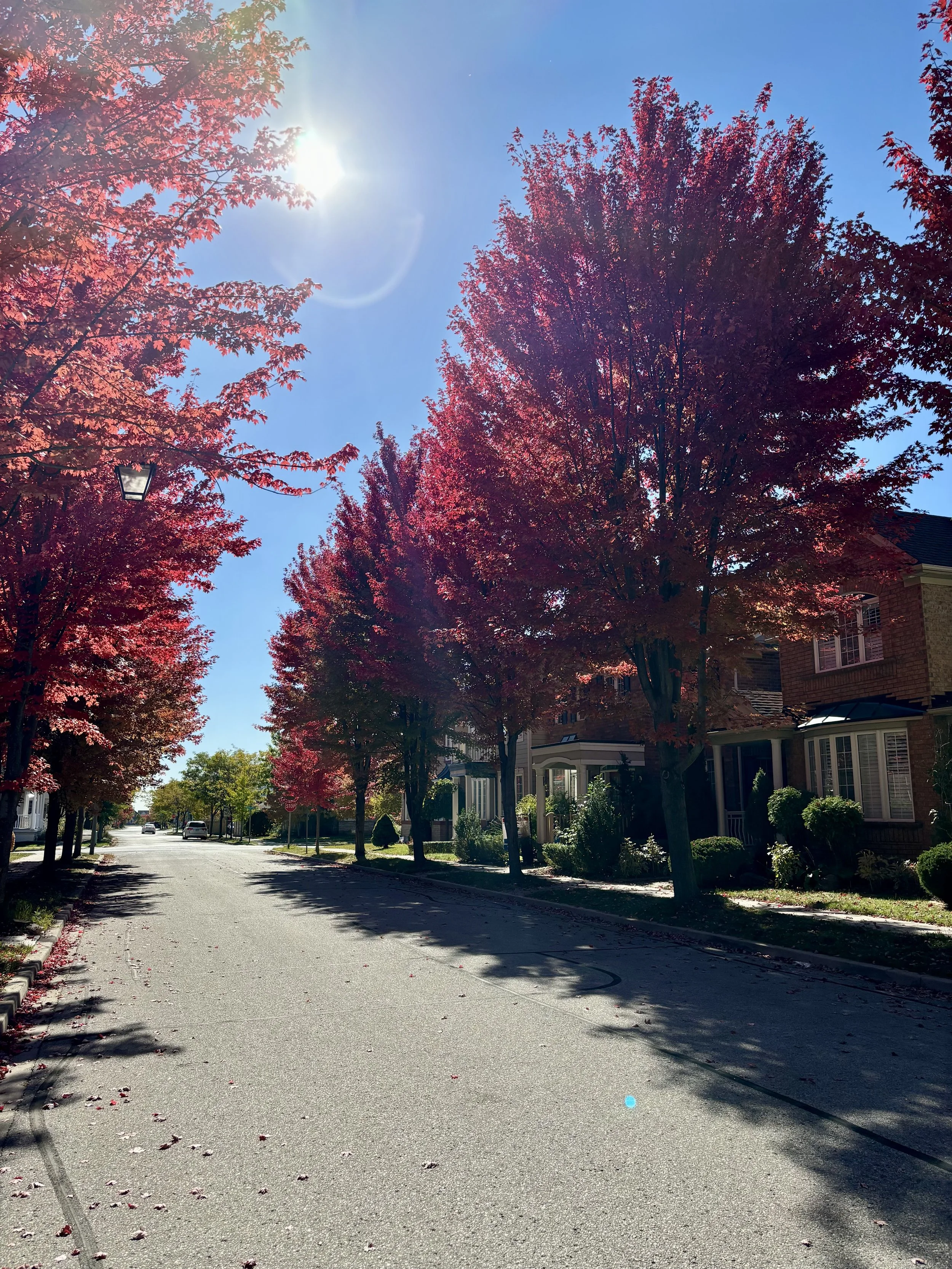
Mature Tree Lined Street in Markham
Where an established Markham home still wins
A new build is a floor plan and a rendering, and for a lot of buyers that is exactly the appeal. But an established home in Unionville, Markham Village, Berczy, Wismer, Swan Lake or Cornell offers a set of things a builder simply cannot put in a brochure: mature trees and finished landscaping that would take fifteen years to grow in, a school assignment that is settled today rather than promised, a closing date you can actually plan a move around, and no development charge adjustments or occupancy delays waiting at the end of the process. There is also no HST on the purchase price of a resale home, which is worth saying plainly to any buyer who has been doing the builder math and has not thought it through.
When I take a listing in one of these neighbourhoods, that is the conversation I want the marketing to be having. Photograph the mature canopy, the established gardens, the finished basement that a new owner would otherwise spend a year and a great deal of money creating. Sell the fifteen years the buyer does not have to wait.
How I would price into this market
Markham itself is holding up better than the headlines suggest. There were 288 sales here in July at an average price of $1,131,324 and a median of $1,062,500, with a sales-to-new-listings ratio of 39.4%, the tightest in York Region, and roughly 4.2 months of inventory. Across York Region as a whole, new listings were down 18.7% from a year ago (source: TRREB Market Watch, July 2026). Fewer sellers came to market this summer, which means a well-prepared, sensibly priced home is facing less resale competition than it would have faced last fall, even with the builders active.
So the strategy is not complicated. Price against the last ninety days of sales on streets genuinely comparable to yours, not against a builder's list price and not against 2022. Prepare the home properly before it goes live rather than after. And get out in front of the fall traffic, because the Bank of Canada announces its next rate decision on Wednesday, September 2, and the buyers who have been waiting on that news will be looking the following weekend.
The bottom line
The HST rebate has given builders an advantage on price that a resale seller cannot match dollar for dollar, so do not try to. Compete instead on the things an established Markham neighbourhood already owns: mature setting, certainty, and a closing you can plan around, priced honestly against the last ninety days. If you are thinking about a fall sale, I am glad to walk through your home, tell you candidly what is worth doing and what is not, and put real local numbers behind the pricing conversation.
Brad

